
Introduction to Geospatial Technology
Geospatial technology represents a revolutionary approach to understanding and interacting with our physical world. At its core, this technology combines Geographic Information Systems (GIS), remote sensing capabilities, and sophisticated spatial data analytics to create powerful tools for visualization and analysis. In Nigeria, these tools are becoming increasingly vital for infrastructure planning and development.
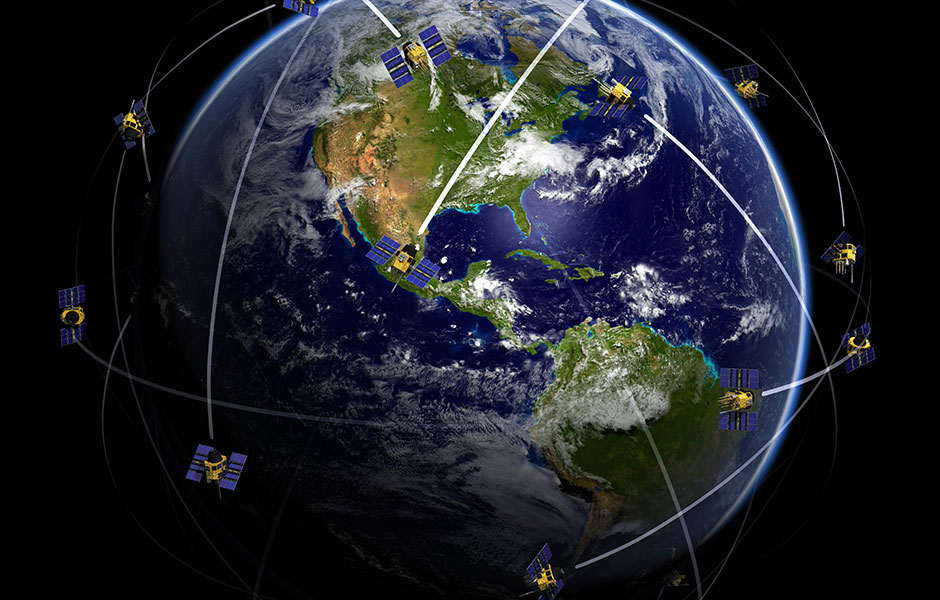
GIS systems serve as the foundation, allowing users to capture, store, manipulate, and visualize geographical data in ways that reveal patterns and relationships that would otherwise remain hidden. When combined with remote sensing—which collects data through satellite imagery, aerial photography, and ground-based sensors—it creates a comprehensive picture of both natural and built environments across Nigeria’s diverse landscapes.

The real power of geospatial technology lies in its ability to provide spatial intelligence. By analyzing the relationships between location-based data points, decision-makers can gain insights that drive smarter urban development. This means government agencies and private developers can make evidence-based decisions rather than relying on outdated methods or gut instinct.
For a rapidly urbanizing country like Nigeria, these capabilities couldn’t come at a more crucial time. With cities expanding at unprecedented rates, geospatial tools help planners understand population movements, infrastructure needs, and environmental impacts before breaking ground on new projects.
Current State of Infrastructure Development in Nigeria
Nigeria faces significant infrastructure challenges that directly impact economic growth and quality of life. The country’s infrastructure deficit extends across transportation networks, power generation, water supply systems, and telecommunications—all critical components for national development.
Land use management remains particularly problematic, with informal settlements growing faster than planned developments in many areas. Population growth compounds these issues, with Nigeria projected to become the world’s third most populous country by 2050. This demographic pressure alone creates enormous demand for new infrastructure that must be strategically planned and deployed.
Traditional approaches to infrastructure development have often failed due to inadequate information about existing conditions and future needs. Data-driven strategies using geospatial analysis now offer a pathway to overcome these limitations by providing clear, actionable insights about where infrastructure is most needed.
Geospatial analysis brings unprecedented clarity to market dynamics and infrastructure accessibility. For example, mapping existing road networks against population density reveals transportation gaps that limit economic opportunity. Similarly, analyzing water access points against settlement patterns highlights areas of critical need for new water infrastructure.

Key Applications of Geospatial Technology in Infrastructure
The practical applications of geospatial technology in Nigerian infrastructure development span multiple sectors. In urban planning and land use management, GIS tools enable accurate zoning, continuous monitoring of land use changes, and rapid detection of unauthorized developments that could compromise planned infrastructure corridors.
Transportation management benefits enormously from geospatial analysis. Traffic flow optimization relies on accurate mapping of congestion patterns, while public transport planning leverages population density maps to identify optimal routes and station locations. The logistics sector also uses these technologies to plan efficient delivery routes and distribution centers.
Resource management becomes more strategic through geospatial tools. Water distribution networks can be planned to minimize waste and maximize coverage. Similarly, electricity infrastructure planning benefits from precise mapping of demand centers and potential renewable energy sources.
Perhaps most critically, geospatial technology enhances disaster management capabilities. Risk mapping identifies vulnerable infrastructure and communities, enabling preventative measures. During emergencies, these same tools support early warning systems and coordinate response efforts to protect critical infrastructure and human life.